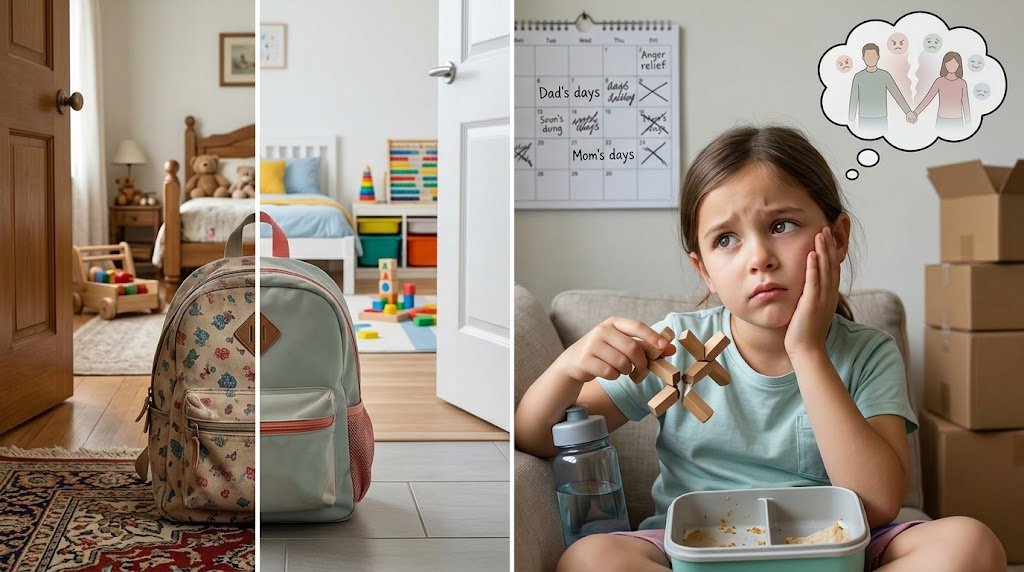
Divorce is not easy for any family, but for children, it can be especially confusing. When parents separate, a child’s whole routine can suddenly change. They might have to move between two homes, spend less time with one parent, change schools, or simply get used to a different family life.
But every child reacts differently. Some become sad or angry, while others may actually feel relieved if their home was already full of arguments. A lot depends on how parents handle the situation and how much conflict the child has to see.
The Question Children Often Ask
The Question Children Often AskWhat Children See Matters
Here’s the real issue: children don’t just experience the divorce; they experience everything that happens around it.
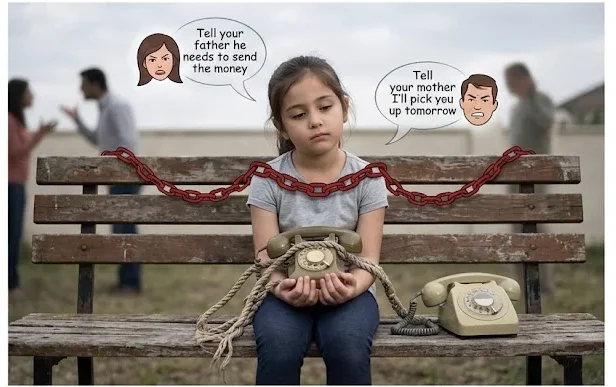
If parents are constantly arguing, insulting each other, or asking the child to carry messages, the child can feel trapped between them.
For example, imagine a mother telling her child, “Tell your father he needs to send the money,” while the father says, “Tell your mother I’ll pick you up tomorrow.” It may sound like a small thing, but the child is suddenly carrying an adult problem.
Ask any counselor who works with children after divorce, and they’ll tell you that children often need one simple thing most of all: to feel safe and stay out of their parents’ conflict.
Parents should communicate directly and avoid making the child choose sides.
Two Homes, One Child
Divorce changes things. That’s a given.
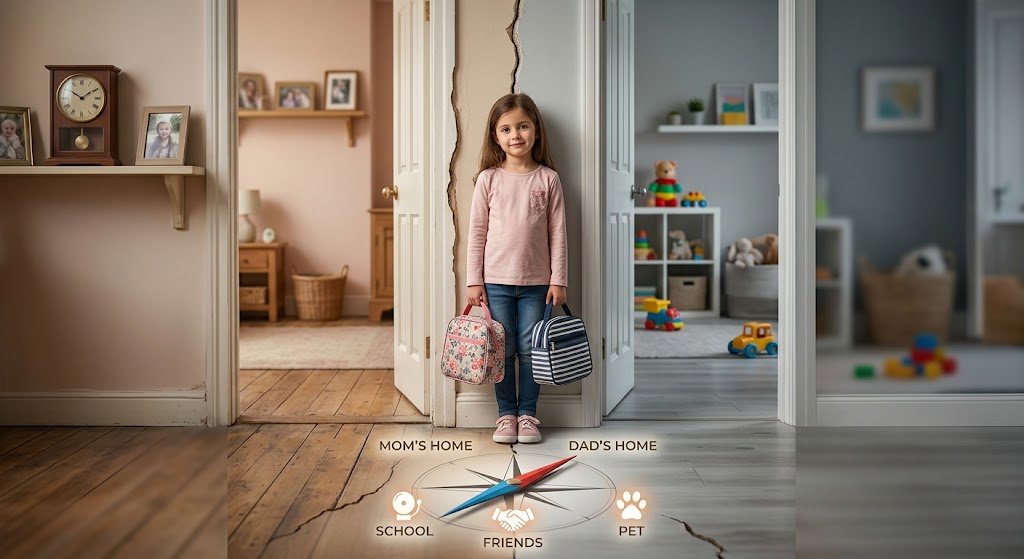
A child may suddenly have two homes, different rules, different routines, and sometimes even a different school. For them, these changes can make life feel uncertain.
Something as simple as knowing where they will sleep, when they will see each parent, and what their school routine will be can make a big difference.
Children should also be able to love both parents. When both parents are present, caring, and supportive, a child should never feel guilty for enjoying time with either one or feel pressured to choose between them.
What Parents Can Actually Do
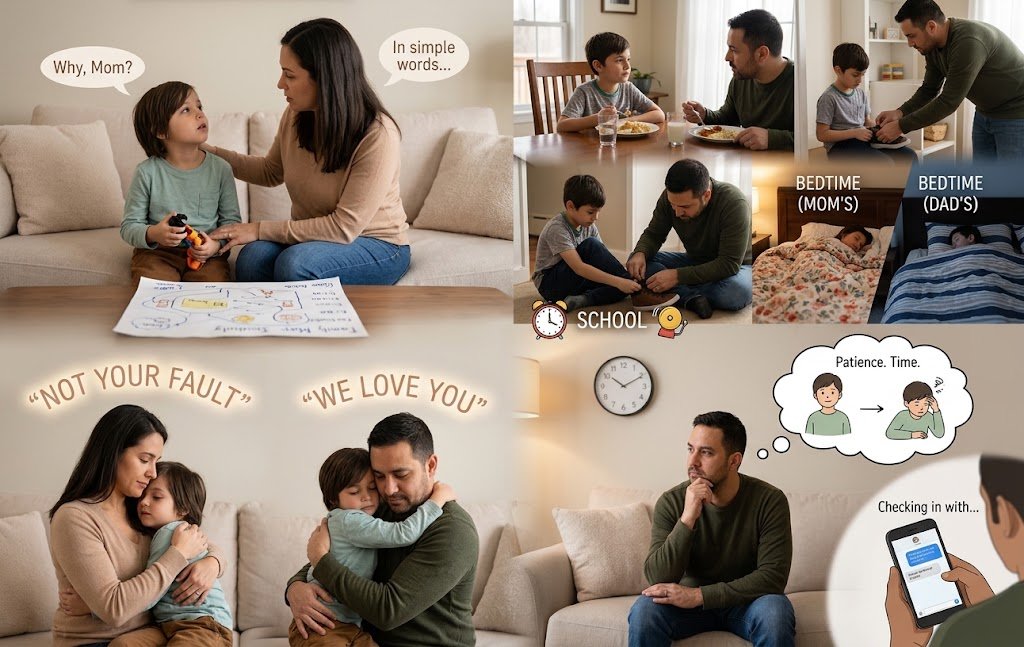
Parents cannot make divorce completely painless, but they can make it easier.
They can listen when children want to talk, answer their questions honestly in simple words, and avoid blaming each other in front of them. Keeping normal routines like school, meals, bedtime, activities, and regular visits can also help children feel secure.
Most importantly, children need to hear again and again that they are loved and that they did not cause the divorce. They also need time. A child may look completely fine at first and struggle emotionally later, so parents need to be patient and keep checking in with them.
When Things Become Too Much
Not every emotional reaction means that something is seriously wrong. But if a child remains very anxious or depressed, has serious problems at school, stops sleeping or eating properly, or shows major changes in behavior, it may be time to ask for professional help.
A counselor, psychologist, pediatrician, or school mental-health professional can help the child understand and manage these feelings.
The Family Changes — But Love Doesn’t Have To
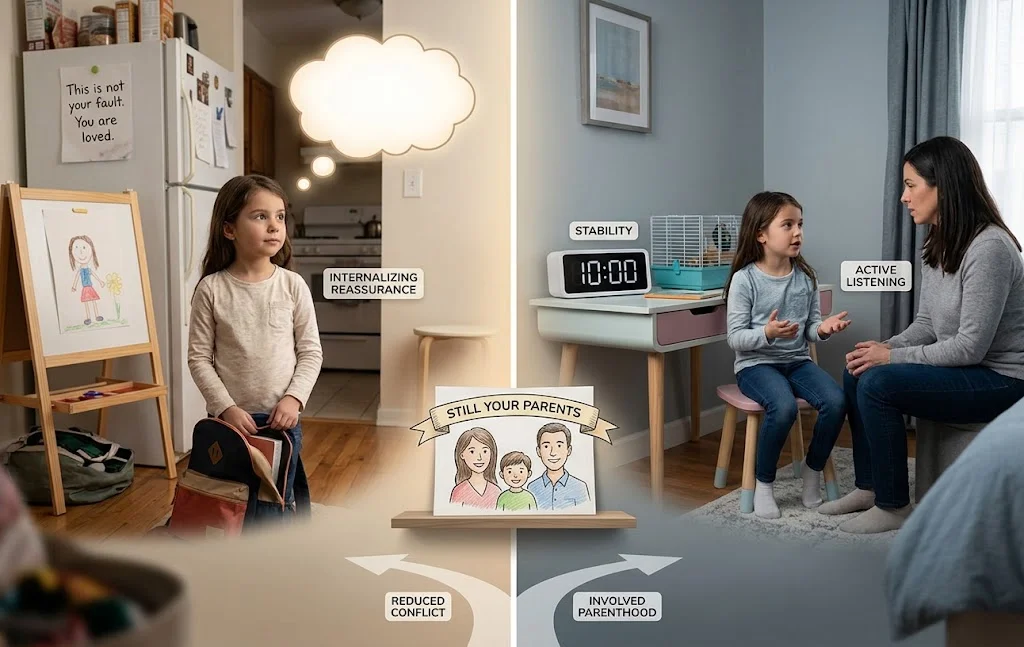
Divorce can change the way a family lives, but it does not have to destroy a child’s future. Many children adjust when their parents give them stability, reduce conflict, and remain involved in their lives.
A marriage may end, but parenthood does not.
Children don’t need perfect parents. They need parents who make them feel safe, listen to them, and remind them that they are still loved.
The most important message a child can hear is simple:
“This is not your fault. You are loved. We are still your parents, and we will be here for you.