Just think about it: how many of us can imagine starting the day without a hot, strong cup of tea or coffee? For many of us, mornings just don’t feel complete without something sweet. Whether it’s catching up with friends over evening gossip or craving a little something sweet right after dinner, sugar has quietly become part of our everyday lives.
It’s such a familiar habit that we rarely stop to think about how these small, sweet pleasures might be affecting our health.And that’s where things get interesting.Sugar tastes good. There is no denying that. But when something sweet becomes a part of almost every meal, it may be time to pay a little more attention.
The Problem Is Bigger Than You Think

Think about your daily routine for a moment. You wake up and make tea, adding one or two teaspoons of sugar. Later, you grab a packet of biscuits or enjoy a sweet snack. In the afternoon, perhaps you drink a soft drink, and after dinner, you have something sweet again.None of these choices may seem like a big deal on its own. That is exactly why people often overlook them.
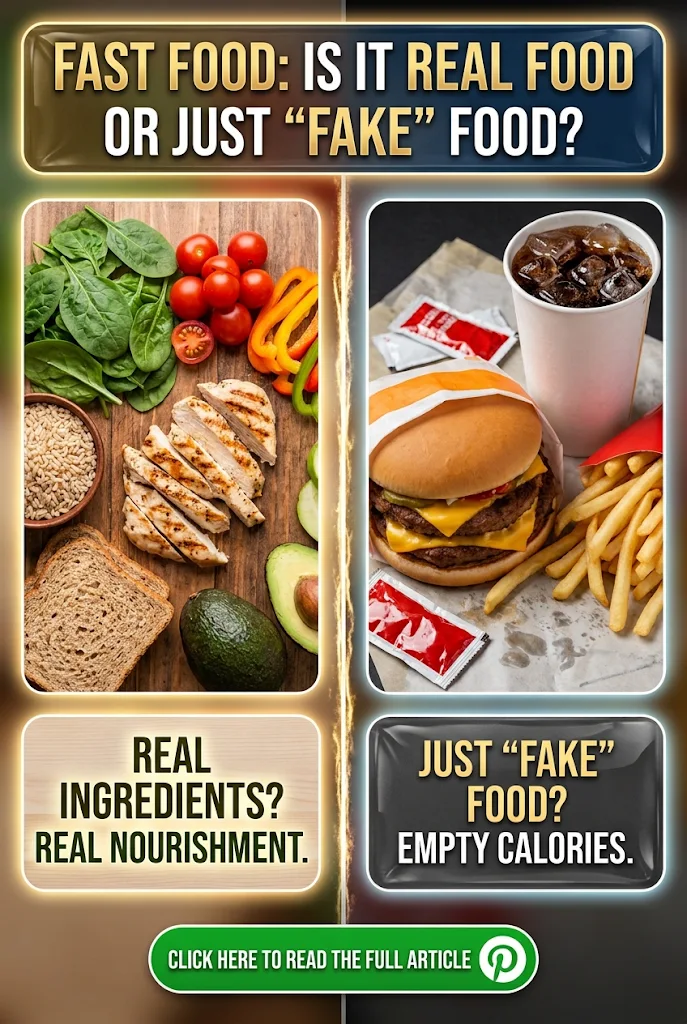
Sugar is everywhere, including foods that do not even taste particularly sweet. Packaged sauces, breakfast cereals, flavored yogurt, and many processed snacks can contain added sugar. You might be trying to eat better while still consuming more sugar than you realize.And the problem is not that you enjoy sweet food. The problem begins when added sugar becomes such a regular part of your diet that you stop thinking about how much you are consuming.
What Is Too Much Sugar Doing to Your Body?

Calling sugar a “sweet poison” might sound dramatic, but there is a reason people use the phrase. Eating too much added sugar regularly can contribute to several health problems.One of the most common is weight gain. Sugary drinks, in particular, can add a lot of calories without making you feel full. You can drink a sweetened beverage in just a few minutes and still feel hungry afterward. Over time, those extra calories can add up.Your teeth are also paying the price. The bacteria in your mouth use sugar to produce acids that damage tooth enamel. Keep exposing your teeth to those acids, and cavities become more likely.
It is not just about eating candy; frequently sipping sweet drinks can be a problem, too.Then there is the connection between sugar and type 2 diabetes. Eating sugar does not automatically mean you will develop diabetes. Genetics, body weight, physical activity, and other factors all play a role.
However, regularly consuming sugary drinks is associated with a greater risk of type 2 diabetes, partly because excessive calorie intake can contribute to weight gain.Too much added sugar can also affect heart health by contributing to problems such as high triglyceride levels and elevated blood pressure.The damage does not necessarily happen overnight. That is what makes unhealthy eating habits so easy to ignore. You may not notice an immediate difference, but your everyday choices still matter in the long run.
The Sugar Hiding in Your Kitchen
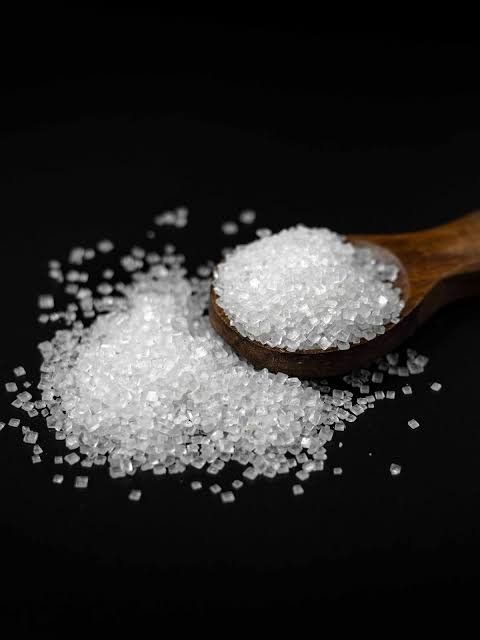
Here is something worth checking: the nutrition labels on the foods you buy regularly.You might be surprised by what you find. Some breakfast cereals contain added sugar. So do certain flavored yogurts, packaged drinks, ketchup, and ready-made sauces. Even products advertised as healthy can contain more added sugar than you expect.The next time you go shopping, take a minute to read the label. Look at the amount of sugar per serving, and remember that the package may contain more than one serving.
Also, do not assume that honey, brown sugar, or syrup is automatically a healthy replacement for regular sugar. Although they differ in flavor and composition, they still contribute free sugars to your diet.This does not mean you need to throw everything out of your kitchen. It simply means you should know what you are eating.
Do You Really Need to Give Up Sugar?
Not completely.You can still enjoy your favorite dessert, have a piece of chocolate, or drink a cup of tea. Healthy eating does not have to mean giving up every food you love.The important thing is to reduce excessive added sugar rather than worry about every gram you consume.
Start with something simple. If you drink soft drinks every day, replace some of them with water. If you add two teaspoons of sugar to your tea, try using a little less. Choose whole fruits when you want something sweet, and compare food labels before buying packaged products.These changes may seem small, but small changes are often easier to maintain than a strict diet that leaves you frustrated after a few days.
The World Health Organization recommends keeping free sugars below 10% of your daily energy intake, with a further reduction to below 5% suggested for additional health benefits. For someone eating 2,000 calories a day, 5% is about 25 grams of sugar. This includes added sugars, honey, syrups, and sugars in fruit juice, but not the naturally occurring sugars inside whole fruit.You do not have to become obsessed with counting every teaspoon. Just becoming more aware of what you eat is a good place to start.
A Sweet Habit Can Have a Bitter Cost
The truth is that sugar is not literally poison. Our bodies use glucose for energy, and foods such as whole fruits can be part of a healthy diet. What matters is the source, the amount, and how often we consume it.The real concern is the extra sugar that quietly finds its way into our everyday meals and drinks. A little sweetness now and then is not the enemy. Consuming too much of it day after day is where the problem lies.
So, the next time you reach for a sugary drink or add another spoonful of sugar to your tea, pause for a second. Ask yourself whether you really need it, or whether it has simply become a habit. You do not need to change everything tomorrow. Start by making one better choice today, then another the next day. Because when it comes to your health, the sweetest choice is not always the one that tastes the sweetest.
Eat smart, pay attention to hidden sugar, and remember: your health deserves more than a moment of sweetness.