Getting older is a normal part of life, and honestly, there’s nothing wrong with that. But most of us would still like our skin to look fresh, smooth, and healthy as the years go by. Fine lines, uneven skin tone, dryness, and a loss of firmness are common concerns. The tricky part is figuring out which skincare products are actually worth using.
Walk into any beauty store and you’ll find dozens of creams promising younger-looking skin. Some sound impressive, but not every product contains ingredients that can make a noticeable difference. What matters more than an expensive label is the formula inside the bottle.
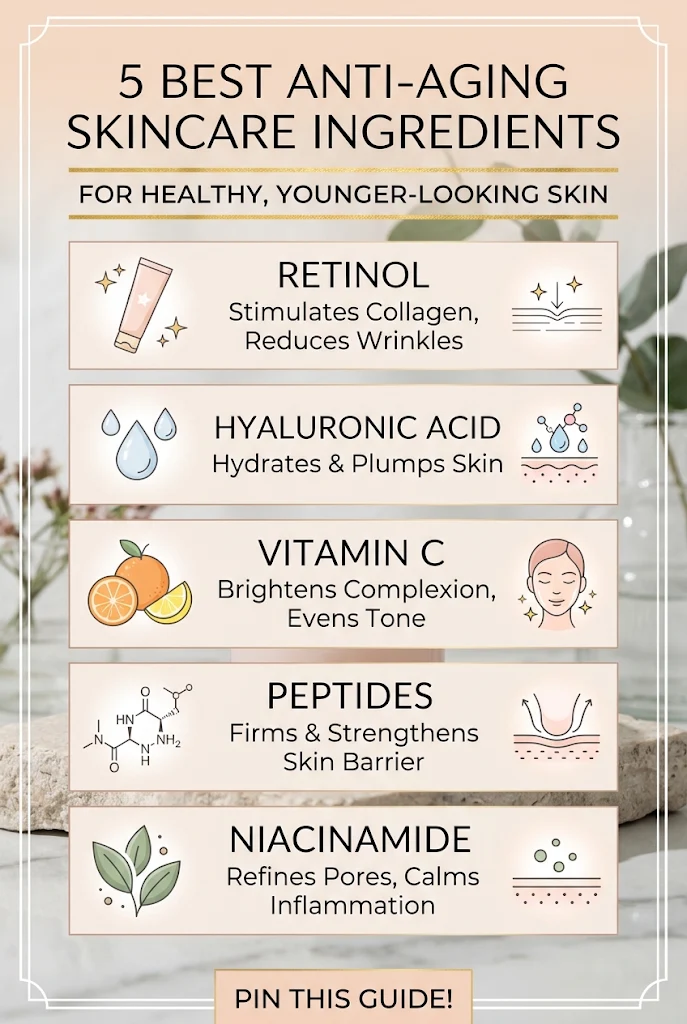
Dermatologists often recommend a handful of skincare ingredients because they have research behind them and can help address common signs of aging. If you’re trying to build a simple routine, these five are a good place to start.
1. Retinol: A Popular Choice for Fine Lines and Uneven Texture
Retinol is one of the best-known ingredients in anti-aging skincare, and there’s a reason it has stayed popular for so long. It belongs to the retinoid family, which comes from vitamin A.Retinol helps speed up skin cell turnover and supports collagen production. With consistent use, it may soften the appearance of fine lines, improve uneven texture, and make the skin look smoother.
It can also help with clogged pores and some forms of uneven pigmentation, so it’s useful for more than just wrinkles.
A few things to know before using it:
Retinol can be irritating, especially if your skin isn’t used to it. Starting with a low-strength product two nights a week is usually a sensible approach. If your skin tolerates it, you can gradually increase how often you apply it.
Apply it at night and follow with a moisturizer. Don’t rush into using it every day. Redness, peeling, and dryness can happen when you start too quickly. One important note: avoid retinoids during pregnancy. If you’re breastfeeding, ask your healthcare professional before using them.
2. Vitamin C: For Dull Skin and Uneven Tone

If your skin often looks tired or dull, vitamin C may be worth adding to your morning routine.Vitamin C is an antioxidant. It helps protect the skin from oxidative stress caused by environmental factors such as pollution and UV exposure.
It also plays a role in collagen production and can help improve the appearance of dark spots and uneven skin tone.Many people like vitamin C because it can make the complexion look brighter without adding several complicated steps to their routine.
How to include it:
A vitamin C serum is a common option. Apply it in the morning after cleansing, then use moisturizer and sunscreen.Some vitamin C formulas can feel irritating, particularly on sensitive skin. Start slowly and choose a formula that suits your skin type. If you’re new to the ingredient, there’s no need to buy the strongest product you can find.
And remember, vitamin C doesn’t replace sunscreen. They work well together, but sunscreen is still essential.
3. Hyaluronic Acid: Extra Hydration for Dry-Looking Skin
Sometimes skin looks older simply because it’s dehydrated. Fine lines can become more noticeable when the skin lacks moisture, and the complexion may appear rough or tired.That’s where hyaluronic acid comes in.Hyaluronic acid is a humectant, which means it attracts and holds water.
It’s naturally found in the body and is commonly used in skincare to help the skin feel hydrated, soft, and plump.It’s a particularly useful ingredient if you have dry or dehydrated skin. People with oily skin can use it too because it provides hydration without necessarily feeling heavy.
How to use it:
Apply a hyaluronic acid serum to slightly damp skin, then follow with a moisturizer to help seal in hydration.It can usually be used in both morning and evening routines. You can also layer it with ingredients such as niacinamide and vitamin C, depending on how your skin responds.Just keep your expectations realistic. Hyaluronic acid can temporarily make fine lines look less noticeable by improving hydration, but it won’t permanently remove wrinkles.
4. Niacinamide: A Useful Ingredient for Everyday Skin Care
Niacinamide is a form of vitamin B3, and it’s one of those ingredients that can fit into almost any skincare routine.It helps support the skin’s natural barrier, which is important because a healthy barrier helps retain moisture and protect against external irritants.
Niacinamide may also improve the appearance of uneven skin tone, redness, and enlarged-looking pores.Another reason people like it is that it’s generally well tolerated by many skin types. It can be especially helpful if your skin feels oily, looks uneven, or gets irritated easily.
Adding it to your routine:
Niacinamide is available in serums, moisturizers, and other skincare products. You can use it in the morning or at night.There’s no need to combine several niacinamide products at once. One suitable product is usually enough. If you have sensitive skin, start with a lower concentration and see how your skin reacts.With regular use, it may help your skin look more balanced and feel comfortable.
5. Ceramides: Helping Your Skin Hold on to Moisture
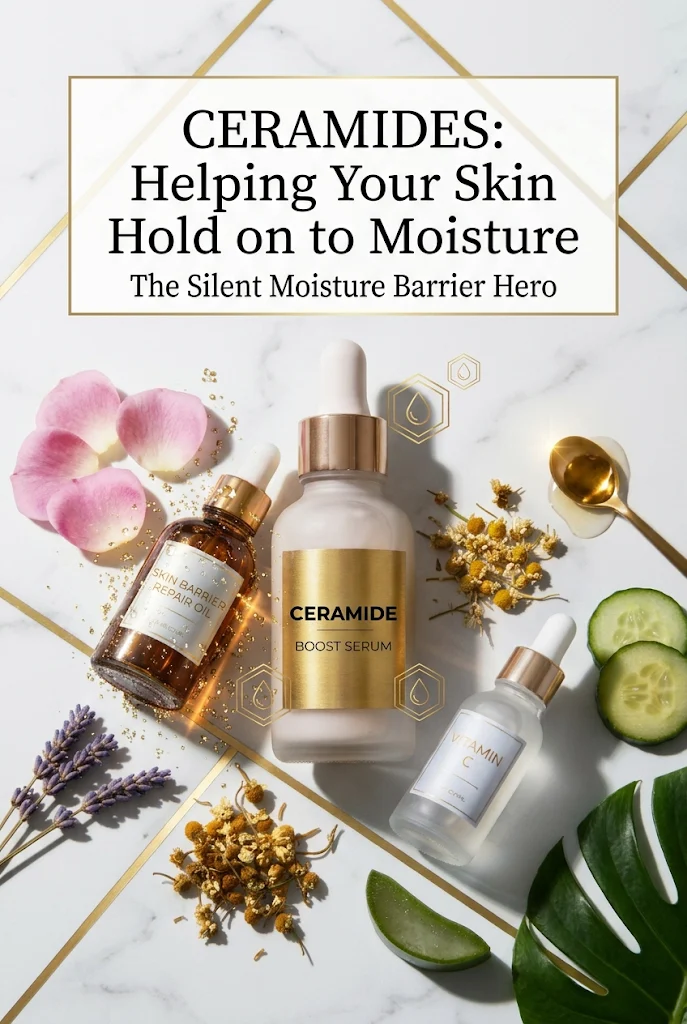
Ceramides don’t always get as much attention as retinol or vitamin C, but they’re important, especially as skin becomes drier with age.These are lipids naturally found in the outer layer of your skin. Think of them as part of the structure that helps keep moisture in and unwanted irritants out.When the skin barrier is weakened, dryness, tightness, and irritation can become more noticeable. A moisturizer containing ceramides can help support that barrier and reduce moisture loss.
Who should use them?
Almost anyone can benefit from a good ceramide moisturizer, but they’re particularly useful for dry, sensitive, or mature skin.Use one after applying your serum. You can apply it in the morning, at night, or both if your skin needs extra moisture.Ceramides won’t erase wrinkles, but comfortable, well-moisturized skin often looks healthier and smoother.
A Simple Anti-Aging Skincare Routine
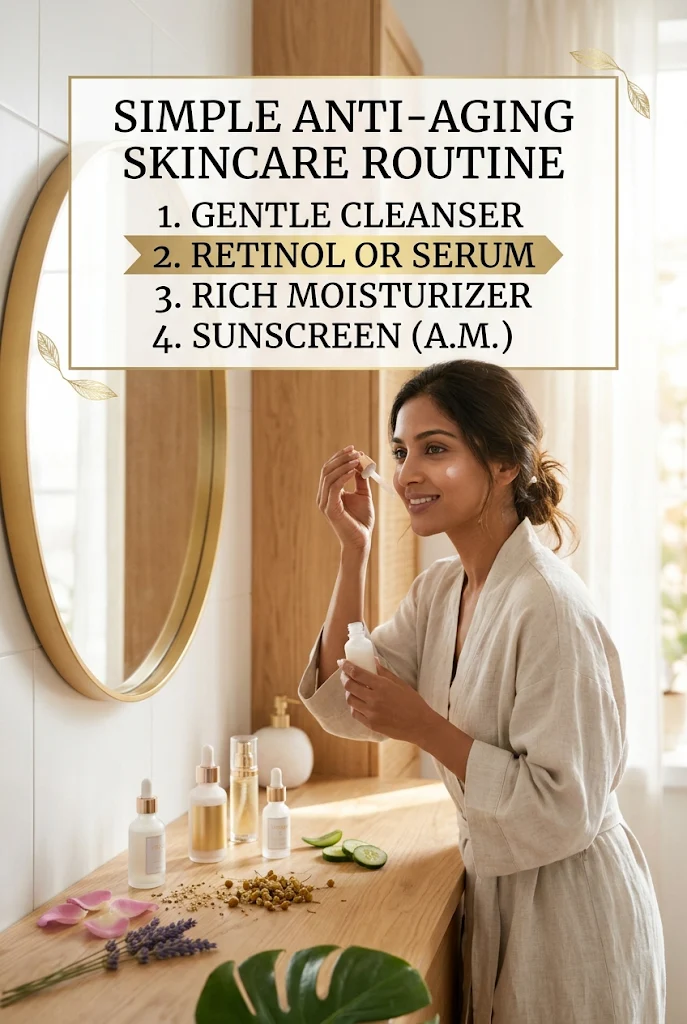
You don’t need ten different products to take care of your skin. In fact, using too many active ingredients at once can sometimes lead to irritation.
A basic routine is often easier to follow consistently.
Morning Routine
- Wash your face with a gentle cleanser.
- Apply a vitamin C or niacinamide serum.
- Use a moisturizer that suits your skin type.
- Finish with a broad-spectrum SPF 30 or higher sunscreen.
Nighttime Routine
- Cleanse your face to remove makeup, sunscreen, and daily buildup.
- Apply retinol on the nights you’re using it.
- Use hyaluronic acid if your skin needs extra hydration.
- Finish with a ceramide moisturizer.
You don’t have to use every ingredient every day. For example, if you’re new to retinol, use it just a couple of nights per week at first. Keep the rest of your routine simple while your skin adjusts.
Small Daily Habits That Can Make a Difference

Skincare products are only one part of the picture. Everyday habits also affect how your skin looks and feels.
A few things are worth paying attention to:
Wear sunscreen regularly. Sun exposure contributes to premature skin aging, including wrinkles and dark spots. Use broad-spectrum SPF 30 or higher and reapply about every two hours when you’re outdoors.
Get enough sleep. A regular sleep schedule gives your body time to rest and recover. Lack of sleep can also make your skin look tired.
Eat a balanced diet. Include fruits, vegetables, healthy fats, and protein in your meals. A varied diet supports overall health, including skin health.
Drink enough water. Staying hydrated is important for your general health. It won’t magically remove wrinkles, but dehydration can make skin look less fresh.
Avoid smoking. Smoking can damage collagen and elastin, contributing to premature wrinkles and changes in skin appearance.
Don’t overdo exfoliation. Scrubbing too often or combining too many strong products can damage the skin barrier. Gentle and consistent care is usually a better approach.
Common Anti-Aging Skincare Mistakes to Avoid
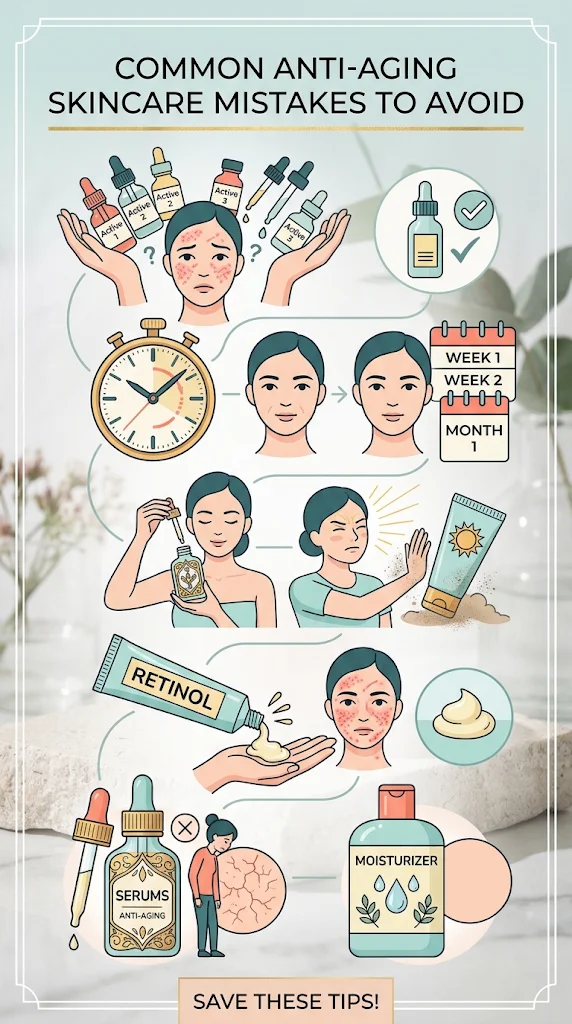
Even good skincare ingredients can cause problems if they’re used incorrectly. Here are a few mistakes people commonly make.
- Starting too many active ingredients together: If your skin becomes irritated, you’ll have no idea which product caused it. Introduce new ingredients one at a time.
- Skipping sunscreen: Using an expensive anti-aging serum but ignoring sun protection doesn’t make much sense.
- Expecting overnight results: Most skincare ingredients need consistent use over several weeks or longer before changes become noticeable.
- Using too much retinol: More product doesn’t mean faster results. Follow the product instructions and let your skin adjust.
- Ignoring moisturizer: Even oily skin needs hydration. Choose a lightweight formula if heavy creams don’t suit you.
Frequently Asked Questions
What is the best ingredient for anti-aging skin care?
Retinol is one of the most researched ingredients for improving the appearance of fine lines and uneven skin texture. However, the best choice depends on your skin type and concerns. Vitamin C, niacinamide, hyaluronic acid, and ceramides can also play useful roles.
At what age should I start using anti-aging skincare?
There’s no exact age when everyone needs anti-aging products. A gentle cleanser, moisturizer, and daily sunscreen are useful habits at almost any adult age. Other ingredients can be added depending on your skin concerns.
Can I use retinol and vitamin C together?
They can both be part of the same overall routine, but beginners may find it easier to use vitamin C in the morning and retinol at night. This also makes the routine easier to manage.
Is hyaluronic acid good for mature skin?
Yes. Hyaluronic acid helps attract water and improve skin hydration. It can make dry skin feel softer and temporarily reduce the appearance of dehydration-related fine lines.
How long does anti-aging skincare take to work?
It depends on the ingredient and the concern you’re treating. Hydration may improve relatively quickly, while changes in fine lines, texture, and pigmentation can take several weeks or months. Consistency matters more than using a large number of products.
Final Thoughts
Choosing anti-aging skincare doesn’t have to be complicated. You don’t need to buy every new serum that appears on social media or fill your bathroom shelf with products you rarely use.Start with the basics: sunscreen, a moisturizer, and a gentle cleanser.
Then consider adding ingredients such as retinol, vitamin C, hyaluronic acid, niacinamide, or ceramides based on what your skin actually needs.Give new products time, pay attention to how your skin responds, and don’t feel pressured to chase completely wrinkle-free skin. Healthy skin can look beautiful at any age. The goal is to care for it well, not to stop time.